
Stuck in the Mud or Sand? How Winch-Out Recovery Works in Lake Mary
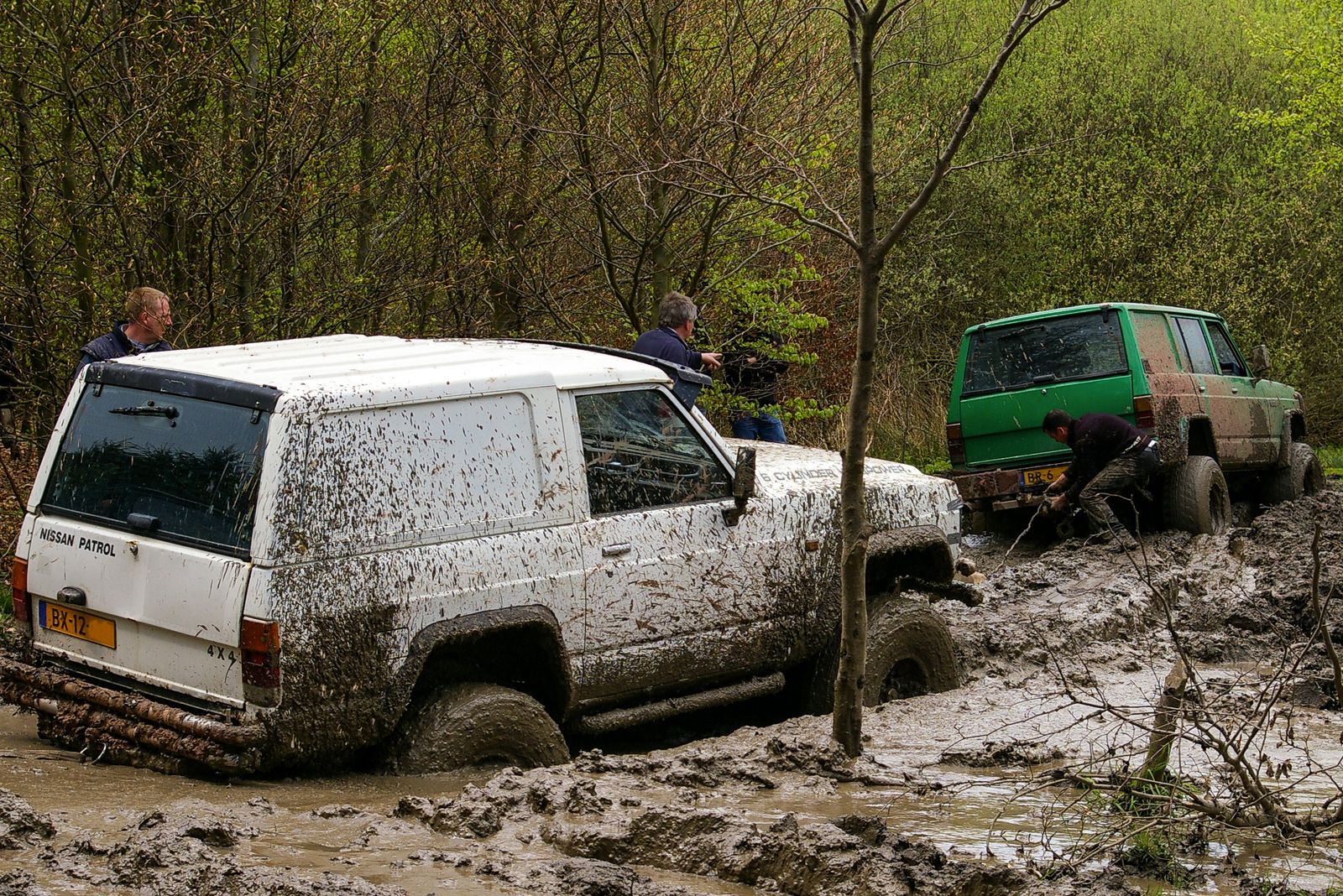
A summer thunderstorm rolls through Lake Mary, a driver eases onto a soft grassy shoulder off Rinehart Road to wait it out, and within seconds the wheels are buried to the hubs in wet Florida sand. This is where winch-out recovery comes in. A winch-out is the controlled process of pulling a stuck vehicle back onto solid ground, and around Seminole County it is one of the most common roadside calls a towing crew gets. This guide explains how vehicles get stuck here, why a professional recovery beats a risky do-it-yourself attempt, and what to expect when help arrives.
- A winch-out recovery uses a powered winch and rigging to pull a stuck vehicle free before it is towed, which is different from a standard hook-and-go tow.
- Central Florida's sandy soil, soft shoulders, retention-pond banks, and summer flooding make stuck-vehicle calls common across Lake Mary and Seminole County.
- Spinning your tires almost always digs the vehicle in deeper and can overheat the transmission, so it is the first thing to stop doing.
- Never enter or re-enter moving or rising floodwater to reach a stuck car, because just six inches of moving water can knock down an adult.
- A licensed local operator can size up the situation, rig to the vehicle's proper recovery points, and pull it out without adding new damage.
What a Winch-Out Recovery Actually Is
A winch-out recovery is the process of using a powered winch and cable to pull a vehicle out of a spot it cannot drive out of on its own. That makes it different from a standard tow, which assumes the car can be hooked and rolled or lifted onto a truck. A winch-out has to free the vehicle first, whether it is buried in sand, sunk in mud, dropped into a ditch, or hung up on a swale. The tools include the winch mounted on the recovery truck, a steel cable or synthetic line, rated recovery straps, and sometimes a snatch block to change the pulling angle or double the line's power. A careful operator connects to the vehicle's factory recovery points rather than a bumper or suspension part that was never built to take the load. Once the vehicle is back on firm pavement it may drive away, or it may ride out on a flatbed if the ordeal left it damaged. Because the forces involved are enormous, the line between a clean recovery and a dangerous one comes down to training and the right rigging, which is the whole point of professional off-road recovery and winch-out service.
How Vehicles Get Stuck In and Around Lake Mary
Most stuck-vehicle calls in the Lake Mary area come down to soft ground and water, both of which Central Florida has in abundance. The region's sandy, well-drained soil can look firm and then give way under a wheel the moment the surface turns wet. Soft grassy shoulders and drainage swales along roads like Lake Mary Boulevard, Rinehart Road, and the rural stretches toward Wekiwa Springs behave like sand traps after a storm. Retention ponds and stormwater basins sit behind nearly every subdivision and office park from Heathrow to Colonial TownPark, and their sloped banks are easy to slide down and nearly impossible to climb back out of. Boat ramps on Lake Monroe in Sanford and along Lake Jesup get slick and drop off quickly, catching trucks and trailers. Then there is the rainy season. From June through September, afternoon storms flood low-lying roads in minutes, and according to the National Weather Service's Turn Around, Don't Drown campaign, it takes only 12 inches of moving water to carry away most cars, while 6 inches is enough to stall one. A vehicle that drifts off a flooded roadway often ends up needing a winch-out once the water goes down.
Why You Should Not Try to Yank the Car Out Yourself
Trying to free a stuck vehicle on your own usually makes the situation worse, and it can be genuinely dangerous. The instinct is to press the gas, but spinning tires only dig the car in deeper, polish the ground into a slick trench, and can overheat the transmission in the process. Rocking hard between drive and reverse strains the drivetrain further. The bigger hazard is improvised rigging: tow straps and chains sold for light-duty use can snap under recovery loads, and a failed strap turns into a heavy projectile that has killed and injured bystanders. Hooking to an axle or a flimsy tie-down loop instead of a rated recovery point can tear parts clean off the vehicle. When water is involved, the risk multiplies. Federal guidance at Ready.gov warns drivers never to go around barricades and, if a vehicle becomes trapped in rapidly moving water, to stay inside or climb onto the roof rather than wading out. No car is worth stepping into moving water. When the ground is soft or water is close by, the safe move is to stop, stay put, and call for roadside assistance or a proper recovery.
Stuck on a shoulder, in a ditch, or up against a pond bank? Our Lake Mary crew brings the winch and the know-how to get you out cleanly.
Request Recovery HelpWhat Professional Winch-Out Recovery Looks Like
A professional winch-out starts with an assessment, not a pull. When the operator arrives, they read how the vehicle is stuck, which direction it needs to come out, what it is resting on, and whether anything underneath is at risk of catching. From there they pick an anchor and an attachment plan, connecting the winch line to the vehicle's rated recovery points and, when the angle is awkward, adding a snatch block to redirect the pull or gain mechanical advantage. The pull itself is slow and controlled; a good operator eases the vehicle out instead of jerking it, watching the line and the ground the entire time. For a car sunk in a pond bank or a deep sand rut, that can mean repositioning the truck several times to keep the pull straight and the load steady. Once the vehicle is back on solid ground, the operator checks whether it is safe to drive. If the tires, undercarriage, or drivetrain took damage, it goes onto a flatbed instead of back on the road. A local operator like Lake Mary Towing that handles off-road recovery and winch-out calls regularly around Seminole County brings both the equipment and the judgment to do this without turning a stuck car into a wrecked one.
Staying Safe on the Roadside Until Help Arrives
While you wait for a recovery truck, your job is to stay out of danger and make your vehicle easy to see. If the car is still on or near a travel lane, switch on the hazard lights and, if you can do it safely, set reflective triangles or flares behind it. Get yourself and any passengers well away from traffic, ideally off the road and behind a barrier, rather than standing beside the vehicle. Florida law is on your side here: under the state's Move Over law, Florida Statute 316.126, drivers are required to move out of the lane nearest a stopped or disabled vehicle that is displaying warning lights, or to slow well below the posted limit when they cannot change lanes safely. That rule protects both you and the tow operator working to free your car. Give the dispatcher your exact location as precisely as you can, whether a cross street, a mile marker on I-4 or SR 417, or a nearby landmark, so the right truck and gear roll out the first time. Staying calm and visible is what turns a stressful roadside situation into a routine one.
Winch-Out and Stuck-Car FAQs
Can I pull my own car out if it is stuck in mud or sand?
It is usually a bad idea. Spinning the tires digs the vehicle in deeper and can overheat the transmission, and inexpensive straps or chains can snap and cause serious injury. Unless the car is barely stuck and you happen to have proper recovery gear and a solid anchor point, calling a professional winch-out service is both safer and often faster than fighting it yourself.
What is the difference between a winch-out and a regular tow?
A regular tow assumes the vehicle can be hooked and then rolled or lifted onto a truck. A winch-out first frees a vehicle that is stuck in mud, sand, a ditch, or an embankment, using a winch and rigging to pull it back to solid ground. Once it is free, the vehicle either drives away or is loaded for towing if the recovery revealed any damage.
How much does a winch-out recovery cost in the Lake Mary area?
There is no single price, because a winch-out depends on how deeply the vehicle is stuck, how much it weighs, the angle of the pull, how accessible the site is, and how long the job takes. A quick tug off a soft shoulder is far simpler than lifting a car out of a pond bank. The most reliable way to know is to ask for a quote when you call, and our guide to how towing costs are calculated explains the factors in more detail.
My car slid toward a retention pond or floodwater. What should I do?
Get yourself and your passengers to safety first, and do not step into moving or rising water to reach the vehicle. If anyone is trapped in rising water, call 911 immediately. Once everyone is safe, call a recovery service and describe exactly what happened so the crew brings the right equipment. A car can be replaced; treat the water itself as the real hazard.