
Flatbed vs. Wheel-Lift Towing: Which Is Right for Your Car?
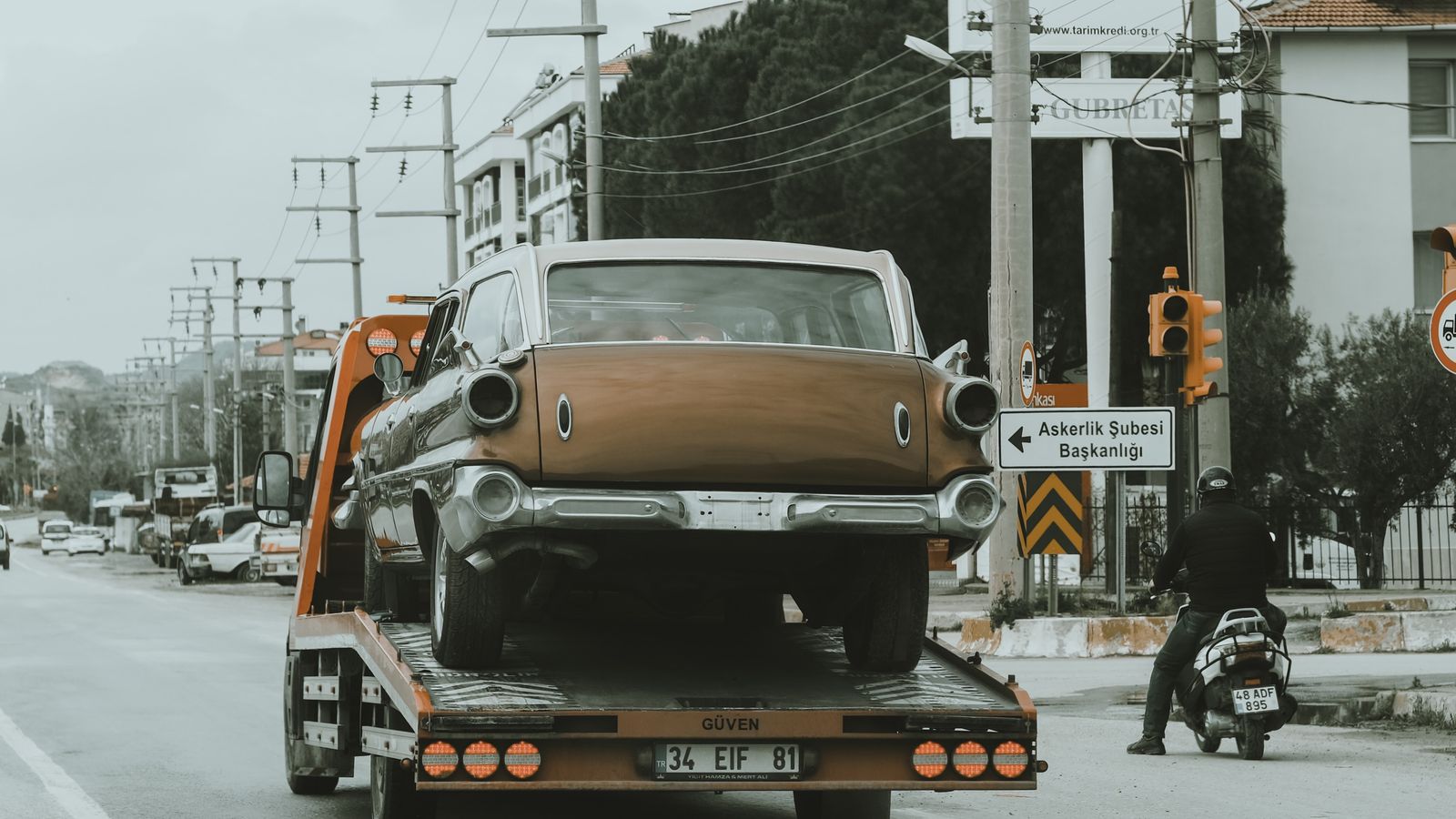
When a tow truck pulls up in Lake Mary, it is usually one of two types: a flatbed that carries your car on a flat deck, or a wheel-lift that raises two wheels and tows the car behind. Both are legitimate, professional tools, and a good operator chooses between them based on your vehicle and the situation, not habit. Understanding the difference helps you know what to ask for when you call and why the right method protects your car. Here is how flatbed and wheel-lift towing actually work, how they compare, and when each one makes sense on Seminole County roads.
How Flatbed Towing Works
Flatbed towing, also called rollback towing, loads your entire vehicle onto a flat steel deck that tilts and slides down to the ground. The car is winched up, all four wheels come off the road, and the deck is raised for transport. Because nothing on your vehicle touches the pavement during the trip, a flatbed is the gentlest way to move a car, which is why it is the standard choice for anything valuable, damaged, or unable to roll.
Operators take securing a loaded vehicle seriously, and federal rules spell out why. FMCSA cargo securement standards require transported automobiles to be firmly immobilized with tie-downs whose combined strength can hold at least half the vehicle weight, which is why a properly loaded flatbed uses chains or straps at multiple anchor points. For Lake Mary drivers, a flatbed tow is the default for a car with a seized wheel, a fresh collision, or a drivetrain that must not turn during the trip.
How Wheel-Lift Towing Works
A wheel-lift uses a metal yoke that slides under the drive wheels and lifts that end of the car off the ground while the opposite wheels roll along the pavement. It is the modern evolution of the old hook-and-chain method, but far gentler because the yoke cradles the tires instead of hooking the frame or bumper.
Wheel-lift trucks are lighter and more maneuverable, which makes them well suited to tight spots: a car boxed into a parking deck near Colonial TownPark, a vehicle wedged along a narrow street in Heathrow, or a quick move off a busy stretch of Lake Mary Boulevard before it snarls traffic. They are typically faster to hook, and because the equipment is simpler, they often carry a lower base rate. The trade-off is that two of the car wheels stay on the road, which matters for some vehicles far more than others. For a typical commuter sedan headed to a nearby shop that is a non-issue; for the wrong drivetrain, it is the whole ballgame.
Flatbed vs. Wheel-Lift: The Key Differences
Comparing the two comes down to a few concrete dimensions. On vehicle safety, the flatbed wins for anything delicate because no wheels turn during transport, while a wheel-lift is perfectly safe for a standard front- or rear-wheel-drive car towed the correct way. On drivetrain risk, the flatbed is the clear pick for all-wheel-drive and four-wheel-drive vehicles, which can suffer transmission or differential damage if towed with wheels spinning.
On maneuverability and speed, the wheel-lift has the edge in cramped areas and for fast shoulder recoveries. On cost, the wheel-lift usually starts lower, while the flatbed base rate reflects heavier equipment. On distance, a flatbed is generally preferred for long-distance towing because keeping the car fully off the road removes tire and drivetrain wear over the miles. Neither method is universally better; each is the right answer for a different set of circumstances, and that is the point.
Not sure whether your car needs a flatbed or a wheel-lift? Tell us what you drive and we will send the right truck.
Ask a Lake Mary DispatcherWhen to Choose Each Method in Lake Mary
For most everyday, drivable-but-dead front-wheel-drive cars moving a short distance, a wheel-lift is quick, safe, and economical. Choose a flatbed when your vehicle is all-wheel drive or four-wheel drive, sits low to the ground, has a flat or locked wheel, is a classic or exotic worth protecting, or has been in a crash and cannot roll straight. Weather plays a part too: after a summer thunderstorm on I-4, a car that hydroplaned into a guardrail almost always rides home on a flatbed.
If you are unsure, describe your car and its condition to the dispatcher; a crew that runs both truck types, as a full-service Lake Mary towing company does, will match the equipment to the job. When a car is stopped on a shoulder, remember that Florida Move Over law requires passing drivers to move over or slow down while either type of truck loads, which keeps the operator, and you, safer during the pickup.
Special Cases: AWD, EVs, and Low-Clearance Cars
Some vehicles take the choice out of your hands. All-wheel-drive and four-wheel-drive cars are the most common example: with power routed to every wheel, towing them with two wheels turning on the road can force the transmission, transfer case, or differential to run without proper lubrication, and the resulting damage often costs more to repair than the tow ever saved. For these vehicles a flatbed is not a luxury, it is the correct method.
Electric vehicles fall into the same category, because most cannot be shifted into a true neutral that lets the wheels spin freely, and their regenerative systems are not designed to be dragged; automakers routinely direct that EVs be transported on a flat deck. Low-clearance sports cars and lowered vehicles are a third case, since a wheel-lift can scrape or crack a front lip, splitter, or exhaust as the car is raised at an angle. When any of these describe your car, say so up front so the right truck is dispatched and the loading is planned around your ground clearance rather than improvised at the curb.
Does the Towing Method Change What You Pay?
Because a wheel-lift truck is lighter and simpler, its base rate is often a little lower than a flatbed rate, but the method itself is rarely the biggest line on your bill. Distance and vehicle type usually matter more, and the full cost of a tow in the Lake Mary area is driven mostly by how far the car travels and how much equipment the job needs.
Paying a modest premium for a flatbed to protect an all-wheel-drive SUV is almost always cheaper than repairing a damaged transfer case later. It is also worth remembering that in Seminole County the same operator rules apply no matter which truck shows up: under Florida Statute 323.002, local wrecker systems and their fees are regulated, and extra administrative charges are limited. When you compare quotes, ask for the total for your specific route and vehicle rather than the truck type alone, so you are weighing the real numbers.
How to Choose the Right Tow for Your Situation
The practical rule is short: match the truck to the car and the conditions, not to a preference. If your vehicle is all-wheel drive, lowered, damaged, or headed a long way, ask for a flatbed and treat the slightly higher rate as insurance against a repair bill. If it is a standard car being moved across town from a tight spot, a wheel-lift is faster and lighter on the wallet. The single factor that settles most calls is your drivetrain, so it is worth knowing whether your car is front-, rear-, or all-wheel drive before you ever need a tow.
When you are not sure which method fits, that is exactly when a local crew earns its keep. Describe the vehicle and where it is stuck, and the team at Lake Mary Towing can recommend flatbed or wheel-lift service and send the right truck the first time.