
What to Do When Your Car Breaks Down on I-4 in Lake Mary
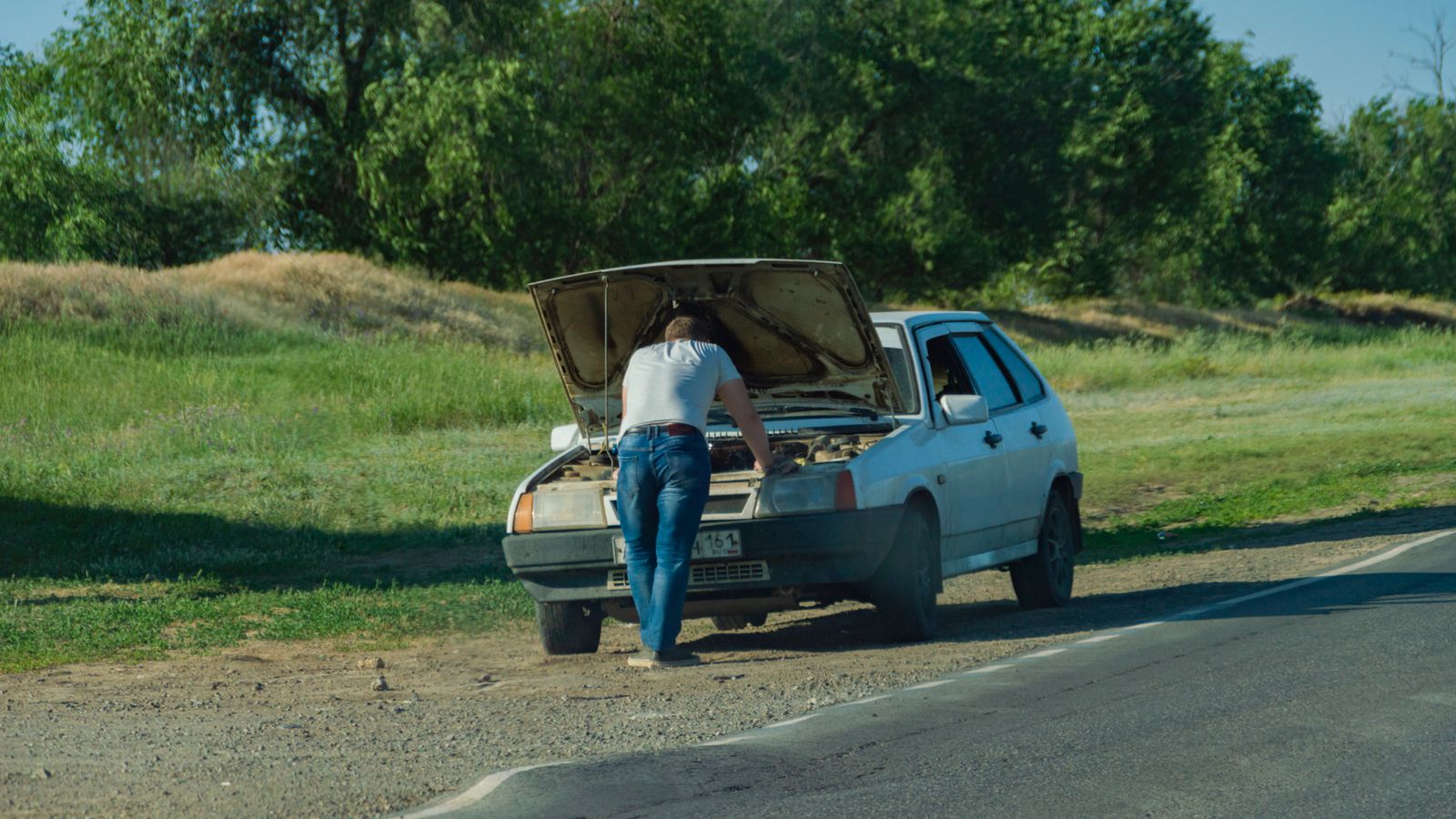
A breakdown on Interstate 4 is one of the most stressful places to lose a car. Traffic moves fast through Seminole County, the shoulders are narrow near the Lake Mary Boulevard and SR 417 interchanges, and a summer storm can cut visibility in seconds. Knowing exactly what to do in the first few minutes keeps you safe and gets help moving sooner. This step-by-step guide walks through what to do the moment your car starts to fail on I-4, how to stay protected on the shoulder, and who to call for a fast local tow or roadside assist.
- Turn on your hazard lights the instant you feel trouble, and ease toward the right shoulder or nearest exit.
- Get the car as far right as possible, past the white line and onto grass if the shoulder is narrow.
- In most cases, stay buckled inside the car; stepping out into I-4 traffic is the bigger danger.
- Call 911 (or dial *347 for the Florida Highway Patrol) for any dangerous position, then call a local tow.
- Florida Move Over law requires other drivers to give you and the tow truck room while you wait.
Step 1: Get to Safety the Moment Trouble Starts
The instant your engine sputters, a tire blows, or a warning light flares on I-4, switch on your hazard lights so drivers behind you know something is wrong. Signal early and begin easing to the right across lanes when it is safe, aiming for the paved shoulder or, better yet, the next exit ramp such as Lake Mary Boulevard or CR 46A.
Do not stop in a travel lane if you can avoid it. Momentum is your friend: a dying engine will often coast far enough to reach an exit or a wide shoulder, which is far safer than stopping in traffic. Keep your movements smooth and predictable so the cars around you can react. Once you are off the roadway, set the parking brake and leave the hazard lights flashing. If your car dies in a live lane and simply will not move, do not try to push it across traffic yourself; stay belted, keep the hazards on, and call for help immediately.
Step 2: Position the Car and Stay Protected
Where you stop matters as much as stopping. Pull as far onto the right shoulder as you can, past the white fog line, and onto the grass if the shoulder is narrow, which it often is along the built-up stretch of I-4 through Lake Mary and Heathrow. Never stand between your car and moving traffic.
In most situations the safest place is inside the vehicle with your seatbelt fastened and doors locked, because stepping out onto an interstate shoulder is where many roadside injuries happen. If you must exit, do it on the passenger side away from traffic. Turn the wheels away from the roadway and, if you carry them and it is safe to place them, set reflective triangles well behind the car to warn approaching drivers.
Step 3: Call for the Right Help
With the car stopped safely, make the calls. If your vehicle is in a dangerous spot, if anyone is hurt, or if you cannot get fully off the road, call 911 or dial *347 to reach the Florida Highway Patrol. For a car that is off the road but not going anywhere, call a local towing and roadside assistance provider and give precise details: your direction of travel, the nearest mile marker or exit, and your vehicle.
Florida also runs the free Road Ranger service patrol on I-4, and you can check real-time interstate conditions through FDOT Central Florida roads information and the FL511 system. A dispatcher who knows Seminole County can find you fast when you can name the exit, so note landmarks like the SR 417 interchange or the Rinehart Road overpass while you wait.
Stay on the line with the dispatcher if you can, share your live location from your phone, and describe your surroundings, an overpass, a mile marker, or a nearby exit sign, so the driver reaches you without circling. Ask for an estimated arrival time so you know how long to sit tight, and keep your doors locked and your hazards on until the truck is in sight.
Stranded on I-4 or a Seminole County road right now? A local truck can be on its way while you stay safe in your car.
Call for Emergency HelpStep 4: Know Your Rights and the Move Over Law
While you wait, understanding the law helps you stay calm and safe. Florida Move Over law requires drivers approaching a stopped emergency vehicle, wrecker, or disabled car with warning lights to vacate the nearest lane on a multi-lane highway like I-4, or to slow to 20 mph below the posted limit where they cannot move over.
That rule exists to protect you and the tow operator working at the roadside. The state traffic-safety agency also publishes guidance on the Move Over law and safe travel that is worth knowing before a breakdown ever happens. When the tow truck arrives, let the operator position the truck to shield your car, and follow their directions on where to stand while they load it.
Step 5: Get the Car Where It Needs to Go, and Prevent the Next Breakdown
Once your car is secured, decide where it needs to go: a trusted shop, a dealership, or home. If it is a mechanical failure, a flatbed or wheel-lift emergency tow can carry it to a repair shop in Lake Mary, Sanford, or Longwood without adding wear to a car that is already hurting.
Before you drive on I-4 again, a little prevention goes a long way in Florida climate. Summer heat is hard on batteries and tires, and afternoon thunderstorms arrive fast, so check your tire pressure and tread, keep your battery and cooling system serviced, and never let the fuel level run to empty on a long commute. Keeping a basic kit in the trunk, water, a phone charger, a flashlight, and reflective triangles, turns a roadside wait into an inconvenience rather than an emergency.
Why Cars Break Down on I-4, and How to Lower the Odds
Most interstate breakdowns are not mysteries; they trace back to a handful of causes that Central Florida heat makes worse. Tire failures lead the list, because underinflated or worn tires build heat quickly at highway speed on hot pavement, and a blowout at 70 mph on I-4 is both dangerous and largely avoidable with monthly pressure checks. Dead batteries are close behind: Florida heat shortens battery life far faster than winter cold does, so a battery that cranked fine for months can quit without warning on a July commute.
Overheating is a third common failure, especially in the stop-and-go backups that build near the SR 417 and Lake Mary Boulevard interchanges, where a low coolant level or a tired radiator finally shows itself. Running out of fuel and simple lockouts round out the list, and both are easy to prevent. A quick seasonal check of tires, battery, and cooling system before storm season, plus keeping at least a quarter tank on longer drives, removes most of the risk before you ever merge onto the interstate.
Getting Back on the Road Safely
A breakdown on I-4 rarely goes the way you would script it, but the priorities never change: make yourself visible, get off the roadway, stay protected, and call for help you can trust. The single most important decision is to treat your own safety as more urgent than the car, because vehicles can be repaired and the shoulders of a busy interstate are dangerous places to linger.
Keep your phone charged, know your exits between Sanford and Altamonte Springs, and remember that other drivers are legally required to give you room. When you are stranded and need a local crew that knows exactly where the SR 417 and Lake Mary Boulevard interchanges are, reach out to Lake Mary Towing for fast emergency towing and roadside help across Seminole County.